Accessories
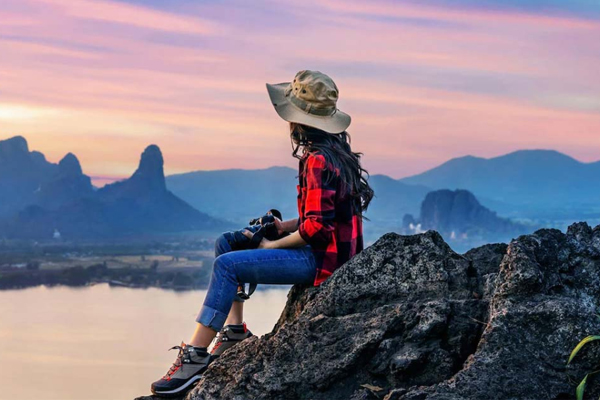
2026 Marks a New Era for Solo Journeys Across Asia
The Great Thing Which You Wants With The Simple Labor Of Trouble Seems To Be With No Haters
Published By Amilya
The Great Thing Which You Wants With The Simple Labor Of Trouble Seems To Be With No Haters
Published By Amilya
Growing Interest in Traveling Alone in 2026.
2026 is expected to be
a historic year for solo travel, particularly throughout Asia's diverse and
culturally rich continent. Driven by a desire for personal freedom,
self-discovery, and flexible travel experiences, more travelers than ever are
opting to explore independently. Individuals can now more easily and safely
plan their own travels without the need for tour companies or travel companions
because to improved infrastructure, internet connectivity, and an expanding
global travel community.
Travel Confidence
and Shifting Attitudes.
Travelers nowadays are
more comfortable navigating other nations on their own. Solo travel used to be
risky, but social media, travel blogs, and video platforms offer real-time
details into destinations, lodging, and transportation. The availability of information
in 2026 makes independent travel around Asia more alluring than ever since it
enables people to create comprehensive itineraries, comprehend cultural
customs, and get ready for local conditions.
Asia Call to Independent Travelers.
Asia is a great place to travel alone because it offers a
special combination of affordability, hospitality, and cultural diversity. The
continent offers a variety of settings for various travel preferences, from the
busy streets of Tokyo and Bangkok to the serene vistas of Bali and the
Himalayas. Solo travelers may navigate between sites with ease because to
affordable lodging, effective public transportation, and a robust backpacker
network.
Remote Work and the Culture of Digital Nomads.
Trends in solo travel in 2026 have been significantly
influenced by the growth of remote employment. Nowadays, a lot of professionals
mix work and vacation, spending weeks or months in Asian towns renowned for
their inexpensive housing and dependable internet. Locations like Chiang Mai,
Ho Chi Minh City, Seoul, and Kuala Lumpur have grown in popularity as
places where lone travelers may mix productivity with adventure by working
during the day and exploring local culture in their spare time.
Systems of Safety and Assistance for Individual
Travelers.
Asian travel destinations have improved visitor services
and security measures in response to the fact that safety is still a top
priority for persons traveling alone. Travelers feel more protected because to
improved public transportation, multilingual signage, and specialized tourist
police in large cities. Solo travelers may move around with confidence thanks
to travel apps that offer real-time navigation, emergency contacts, and
translation capabilities.
Immersion in Culture and Individual
Development.
Deep cultural immersion is possible when traveling alone
throughout Asia, something that is frequently more difficult to accomplish on
group excursions. Traveling alone promotes engagement with locals, involvement
in community events, and a greater comprehension of customs and everyday life.
These individual experiences, such as taking a cooking class in Thailand,
learning meditation in India, or participating in a tea ceremony in Japan,
foster emotional development and a more expansive perspective.
Flexible Planning and Cost-Effective Options.
Asia is one of the most affordable destinations for independent travel. Solo
travelers can control costs without sacrificing comfort by booking inexpensive
hostels, guesthouses, and short-term rentals. International and intercity
travel is made convenient by large rail networks and inexpensive planes. In
2026, mobile payment technologies and flexible booking platforms will make it
even easier for travelers to modify their schedules and routes.
Social Networks While Traveling
Even though they are traveling alone, a lot of lone
explorers look for social connection through shared areas and group activities.
Opportunities to interact with people from all over the world are created by
travel meetings, co-living facilities, and hostels. While preserving the
independence that comes with traveling alone, walking tours, language
exchange activities, and cultural workshops assist travelers in making new
friends.
Trends in Eco-Friendly and Conscientious
Travel.
In 2026, solitary travelers' exploration of Asia will be
influenced by the growing awareness of sustainable travel practices. Many opt
for eco-friendly lodging, patronize nearby companies, and engage in
community-based travel. This method not only lessens the impact on the
environment but also fosters deep relationships with local cultures, making the
trip more fulfilling and responsible.
Technology Improving the Experience of Being
Alone.
Travel technology developments are changing independent
exploration. Every step of the trip is streamlined by mobile applications for
digital payments, navigation, lodging booking, and translation. People of all
ages can now travel alone around Asia more easily because to virtual guides,
augmented reality tours, and online travel communities that offer immediate
access to information and assistance.
Personalized Routes and a Variety of
Destinations.
Solo travelers can create highly customized itineraries
thanks to Asia's enormous geographical and cultural diversity. While some could
concentrate on spiritual retreats in India or Nepal, others would study
contemporary urban life in Singapore and South Korea. Cultural heritage
excursions in China and Japan, island hopping in Southeast Asia, and desert
adventures in Central Asia all appeal to a variety of interests, making each
trip feel special.
A New Phase of Self-Directed Research.
Solo travel throughout Asia in 2026 is indicative of a
larger change in the way people think about travel, moving away from
conventional, meticulously planned travel and toward experiences centered on
individual autonomy, cultural exchange, and self-discovery. Travelers are now
looking for meaningful experiences, local connections, and the freedom to
choose their own routes rather than merely seeing well-known sites. Because of
this shift in perspective, solo travel has become a potent kind of exploration
where people develop self-assurance, independence, and a better understanding
of the world and themselves.
Independent travel is now more accessible than ever because
to enhanced safety regulations, cutting-edge digital tools, reasonably priced
transportation, and friendly local communities. Many of the risks that
traditionally deterred people from traveling alone are eliminated by real-time
navigation, translation apps, online lodging platforms, and helpful travel
networks.
As a result, Asia in 2026 provides a setting where lone travelers can move freely, communicate with ease, and confidently and comfortably encounter a variety of cultures, making independent travel not only feasible but also genuinely empowering.
BEAUTY
With Website, Save Big
Only Belongs To You